
Links:
• The Zliten mosaic (with pictures) (https://en.wikipedia.org/wiki/Zliten_mosaic)
• Gladiator Graffiti near the Porta Nocera in Pompeii (scroll down toward bottom, to the section on tomb 14EN) (https://pompeiiinpictures.com/pompeiiinpictures/Tombs/tombs%20nocen%20p3.htm)
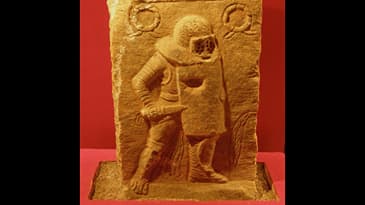
• Image of the tombstone of Urbicus the Secutor (https://commons.wikimedia.org/wiki/File:Milano_Stele_del_gladiatore_Urbico.jpg)
Visit our homepage to subscribe and to find us on social media:
• https://havetogawilltravel.com (https://havetogawilltravel.com/)
If you liked this episode, buy us a coffee:
• Our Ko-Fi page (https://ko-fi.com/havetogawilltravel)
----------
00:10 - Introduction
01:57 - The Games
• 02:14 - Funeral games and the origins and development of gladiator combat
• 06:17 - The games in the age of the Colosseum
• 08:44 - Beast shows and hunters (venatores)
• 11:22 - Public punishments and spectacular executions
• 15:00 - Gladiator combat: gladiator graffiti from Pompeii and the excitement of the matched pair
• 19:52 - Mock battles, naval and otherwise, with a digression on Certamen players and the phrase “we who are about to die salute you”
• 23:13 - Keeping score: gladiator win-loss records, referees, and the possibility of survival
• 26:22 - An underdog story: the victories of Marcus Attilius at Nola
• 28:37 - Gladiators as celebrities (and sex symbols)
31:48 - The Gladiators: who were they, and what were their lives like?
• 32:14 - Who fought as gladiators?
• 33:14 - Gladiator “schools” (ludi) and managers (lanistae)
• 37:02 - Gladiator cemeteries and what they tell us about living conditions (diet, injuries, life expectancy)
• 43:22 - Evidence from tombstones: why did free people fight as gladiators?
• 50:08 - Evidence from tombstones: the lives of enslaved gladiators
56:01 - Final Thoughts